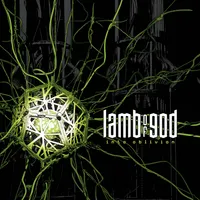
Into Oblivion

History and trajectory of Lamb of God
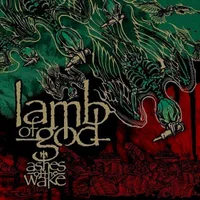
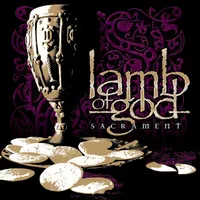
Over the past decades, few bands have managed to consolidate a sound as identifiable as that of Lamb of God. Emerging from Richmond, Virginia, in the late 1990s, they quickly became one of the most influential forces in modern metal, helping shape a sound that blended groove metal, the aggression of metalcore, and the raw energy inherited from thrash. With landmark records such as Ashes of the Wake and Sacrament, the band built a career based on cutting riffs, heavy grooves, and lyrics that often engage with social and political tensions.
After more than two decades on the road and several successful albums, many might imagine that the group had already said everything it had to say. But Lamb of God always seems to function best when someone tries to put them in a box. It was exactly in this scenario that Into Oblivion emerged, the band’s twelfth studio album, released in 2026 and once again produced by Josh Wilbur, a long-time collaborator of the group.
An album that faces the present head-on
Putting on my headphones and starting to listen to Into Oblivion, I had the impression of being in front of a record that faces the world head-on, without filters and without makeup. There is a constant tension running through the songs, as if every riff were a direct response to the atmosphere of unrest that permeates today’s reality. The band seems to channel this sense of social collapse and uncertainty into compositions that sound urgent, sharp, and loaded with energy.
But what caught my attention the most was realizing that this heaviness does not come only from brutality. It is born from the combination of aggression and control. The album runs for less than forty minutes, and at no point does it seem to waste time with excess: each song arrives like a calculated blow, with no room for unnecessary filler or digressions.
Between the band’s tradition and new nuances
Musically, Into Oblivion walks along two parallel paths. On one side are the more direct and crushing tracks, the ones that carry the classic DNA of Lamb of God, with heavy riffs, muscular grooves, and the fierce vocals of Randy Blythe. Songs like 'Parasocial Christ' or 'The Killing Floor' sound like true engines of metallic combustion, pushing the album forward with almost physical intensity.
On the other side, there are moments when the band decides to explore different textures. Some tracks feature more melodic atmospheres or varied vocal approaches, showing that the group still finds ways to expand its repertoire without abandoning its identity. This alternation creates an interesting dynamic: the record breathes, tightens, and then attacks again, like a tide that retreats only to gain strength for the next impact.
Riffs that grab you by the collar
One of the album’s greatest strengths lies in the guitar work. The duo formed by Mark Morton and Willie Adler continues to demonstrate a chemistry that few bands manage to achieve. The riffs seem to intertwine like the gears of a heavy machine, sometimes crushing everything with dense grooves, sometimes slithering through more technical lines that keep the music in constant motion.
At the same time, Randy Blythe’s voice emerges less like that of a distant narrator and more like someone shouting directly into the listener’s ear. There is an emotional rawness there that reinforces the album’s visceral character. At several moments I have the feeling that he is not just singing the lyrics, but literally unloading accumulated frustrations.
A veteran band that still sounds dangerous
The most interesting thing about Into Oblivion is realizing how Lamb of God manages to sound veteran and fierce at the same time. There is no desperate attempt here to reinvent the wheel and perhaps that is precisely the album’s greatest strength. The band seems comfortable in its own skin, exploring its identity with maturity and confidence.
The result is an album that balances tradition and variation with precision. It preserves the sonic signature that made the group famous, but adds small changes in texture and approach that prevent the record from becoming predictable. Listening to this work is like watching an experienced fighter who still knows how to deliver unexpected blows.
Conclusion
After listening to the album and taking off my headphones, I was left with the feeling that Into Oblivion is not just another chapter in the discography of Lamb of God. It is a record that reaffirms why the band continues to be relevant in a scene where many veteran names have already lost their momentum.
With riffs that grab the listener by the collar, an atmosphere loaded with tension, and razor-sharp execution, the album shows a group that still finds creative fuel after decades on the road. Instead of looking back at the past with nostalgia, Lamb of God seems to prefer facing the present with clenched teeth and transforming that discomfort into heavy, direct, and strangely cathartic music.
In the end, Into Oblivion sounds like the roar of a war tank that refuses to stop. And honestly, few things in modern metal sound as convincing as that.